Weight Management

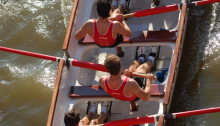
Eating disorders are present throughout society, but as an athletic community, rowing can be particularly susceptible to the challenges of eating disorders as rowers and coxswains attempt to “make weight”.  To help support healthy athletes, this post provides advice on weight management to inform athletes on how to make smart choices when eating and training…
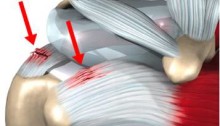

Musculoskeletal image of a tendinosis injury to the knee

Upper Extremity Injuries in Rowers

In order to better understand the root cause of several common upper extremity injuries that occur among rowing athletes, this post will walk through a variety of case studies related to upper extremity injury. Regrettably there are too many injuries for this one post to cover! Thus the focus of these case studies will be…

Drop of water splashing

Hydration

During the hot summer months, training sessions often cause the sensation of thirst. But during cold, winter rows, the feelings of thirst may not be as pronounced despite a similar level of training intensity. Hydration is a crucial means for replenishing the fluids lost during exercise, and thirst should not be relied upon as an…

What Rowers Must Consider

An athlete in training has nutritional needs above and beyond the average daily recommended nutritional guidelines due to increased energy expenditure during training sessions. With this in mind, here are some points to consider about your nutrition as a rower.

The 4 R’s of Recovery

We like to think of the “4 R’s of Recovery” as important pillars to help prepare your body for the next hard session of exercise. The 4 R’s are Rehydrate, Replenish, Repair, and Reinforce. Rehydration is crucial for replacing the fluid lost in the form of sweat. Consume 24 ounces (3 cups) of fluid for…

Analog alarm clock

Meal and Fluid Timing

Some athletes struggle with when to eat before a race or a training session. Sometimes you may eat too much or too close to a work out such that stomach cramping ensues. Other times you may skip eating in order to avoid these negative sensations, only to find yourself “running on empty” part way through…

Carbohydrate Loading

We’ve all heard of the famed pre-race ritual of carbohydrate loading, but why do we do it? Well the answer is simple. Carbohydrate loading aims to maximize the amount of glycogen stored in muscles directly prior to a particular athletic event. Muscles will then draw deeply on these glycogen reserves during the athletic activity, converting…

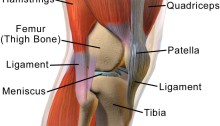
musculoskeletal diagram of the knee

Knee Pain in Rowing

  The focus of this post is on knee pain, one of the most commonly injured sites on a rower. If you’re curious about one of the ways that knee pain is caused, and better yet, how to prevent it, read on! Factors both inside and outside the boat can cause knee pain. The three…